Optimal Timing for Vegetation Clearings
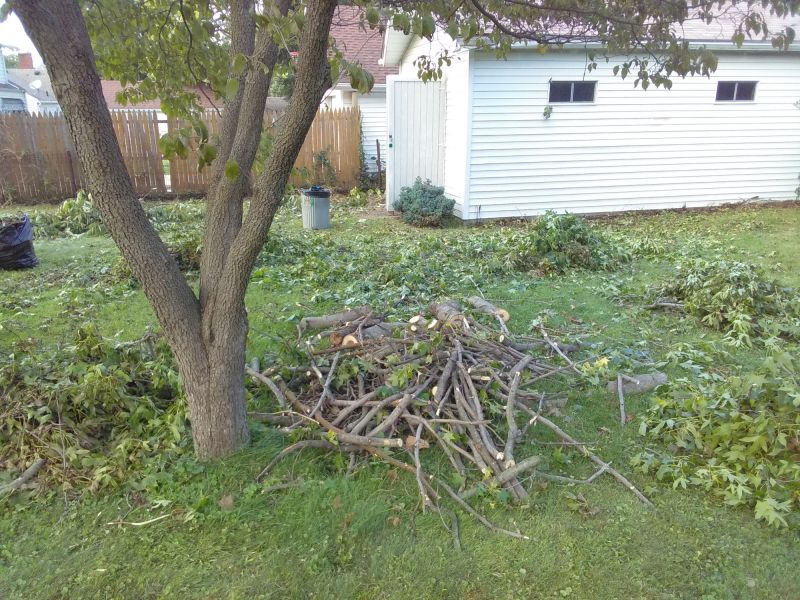
Spring is optimal for clearing as plants are emerging, making removal easier and reducing regrowth.
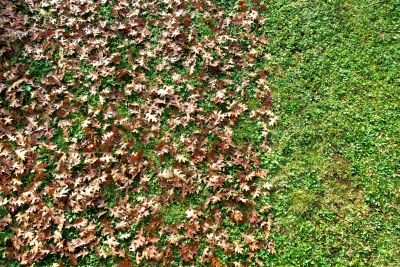
Late summer offers dry conditions that facilitate easier access and effective removal of vegetation.
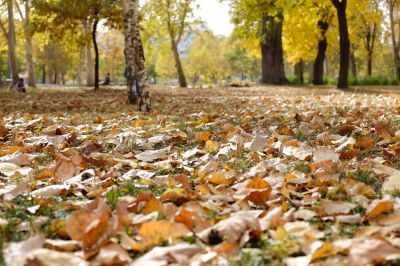
Early fall provides cooler temperatures and decreased plant growth, ideal for vegetation management.
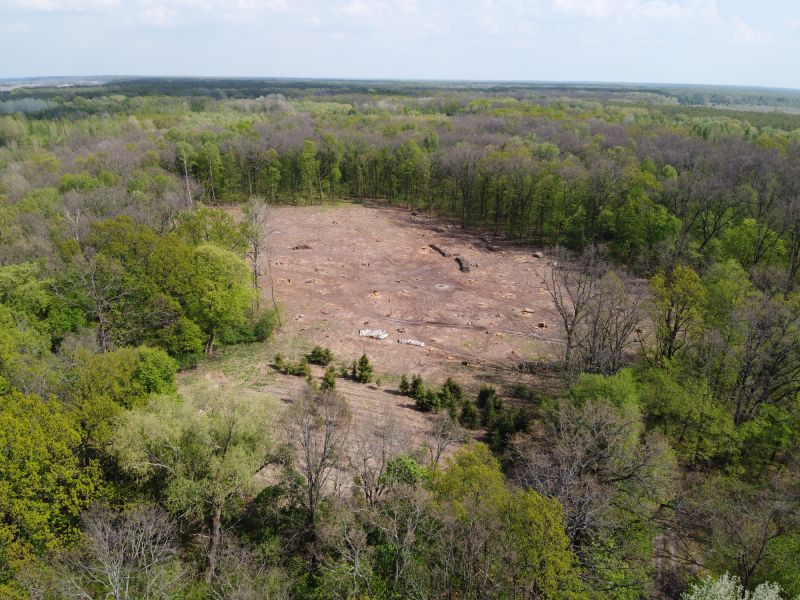
Ways to make Vegetation Clearings work in tight or awkward layouts.
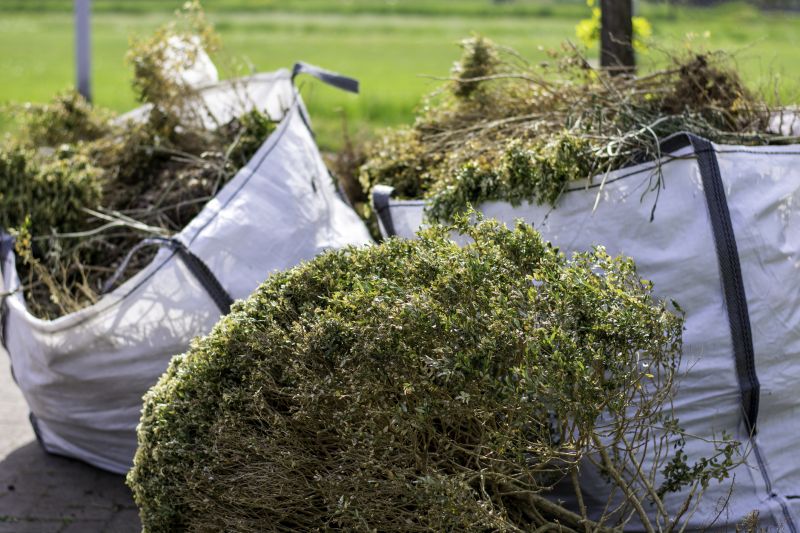
Popular materials for Vegetation Clearings and why they hold up over time.
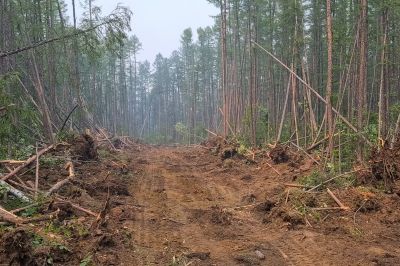
Simple add-ons that improve Vegetation Clearings without blowing the budget.
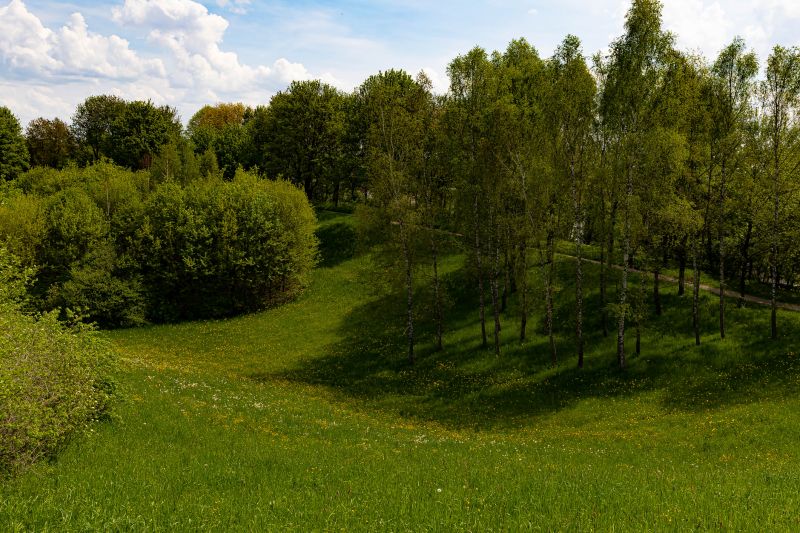
High-end options that actually feel worth it for Vegetation Clearings.

Finishes and colors that play nicely with Vegetation Clearings.
Vegetation clearings involve removing unwanted plants, shrubs, and small trees to maintain open spaces, improve accessibility, or prepare land for other uses. Proper timing enhances effectiveness, reduces regrowth, and minimizes environmental impact. The choice of timing depends on plant species, local climate, and specific project goals.
Statistics indicate that vegetation management during active growth periods can reduce regrowth by up to 40%. Conducting clearings during dry seasons minimizes soil disturbance and prevents erosion. Understanding the biological cycle of target plants supports more sustainable and efficient clearing practices.
Timing vegetation clearings with seasonal growth patterns improves results and reduces the need for repeated work.
Choosing the right time minimizes disruption to local wildlife habitats, especially during breeding seasons.
Avoiding rainy periods prevents soil compaction and erosion, making clearings more effective.
Understanding regrowth cycles helps in scheduling follow-up treatments for long-term control.
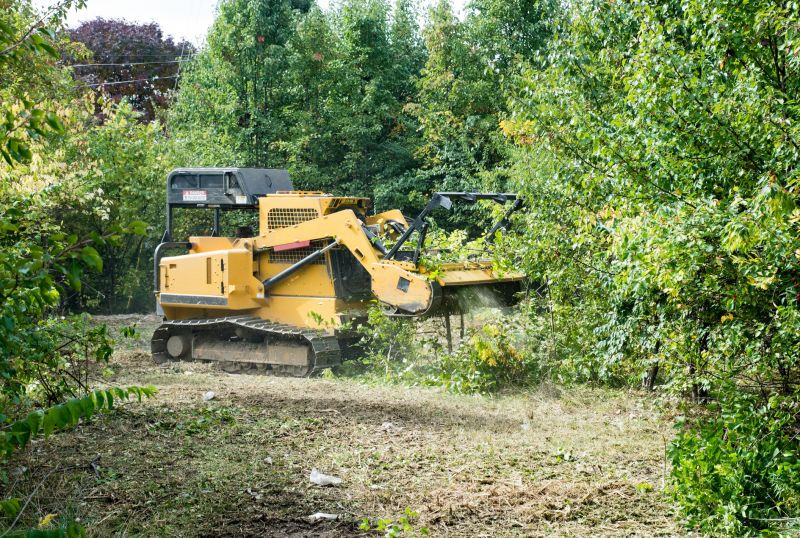
Equipment used varies based on plant density and size, including brush cutters and herbicide applicators.
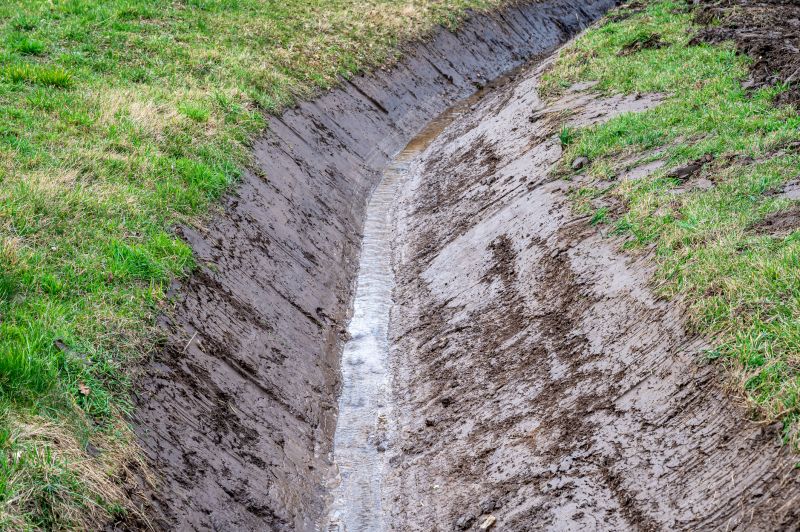
Dry conditions facilitate safer and more efficient vegetation removal.
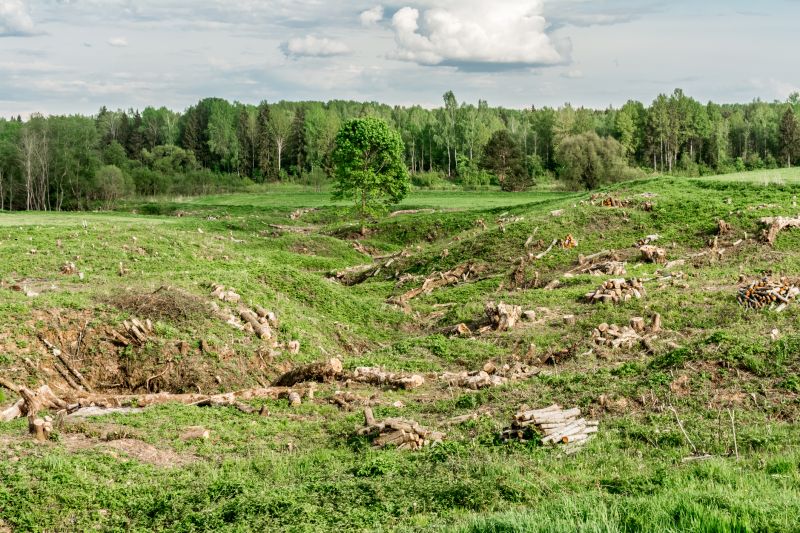
Monitoring regrowth helps determine optimal timing for subsequent clearings.
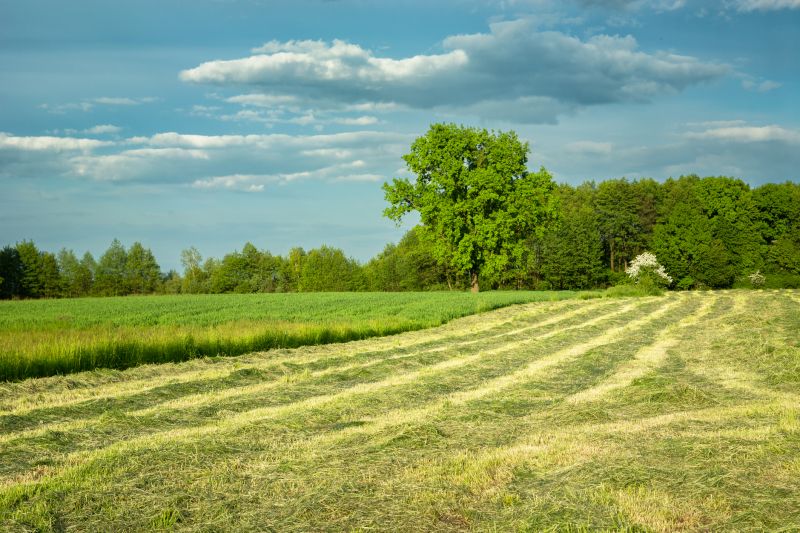
Proper timing results in cleaner, more sustainable land management outcomes.

Little measurements that prevent headaches on Vegetation Clearings day.
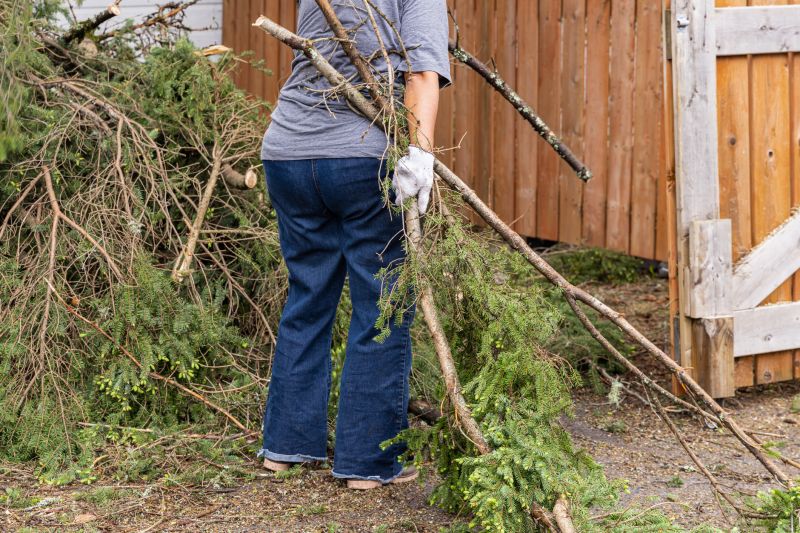
A 60-second routine that keeps Vegetation Clearings looking new.
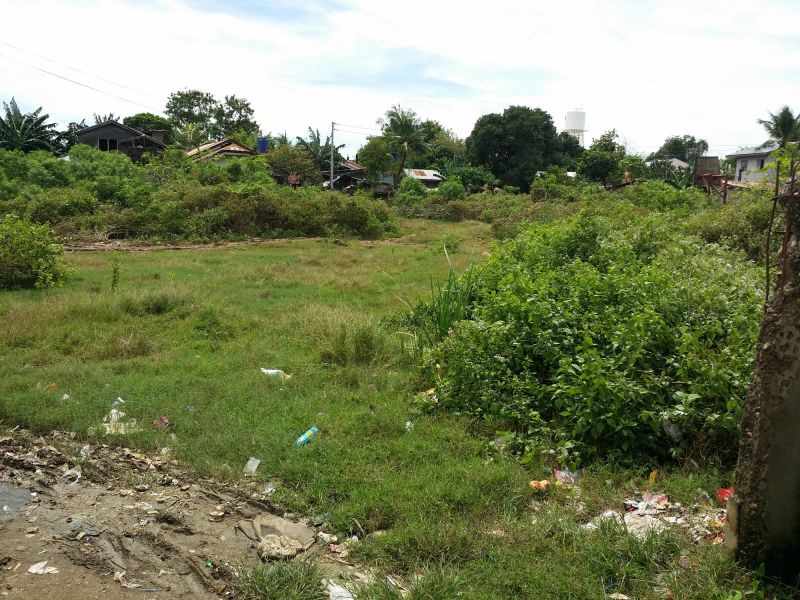
A frequent mistake in Vegetation Clearings and how to dodge it.
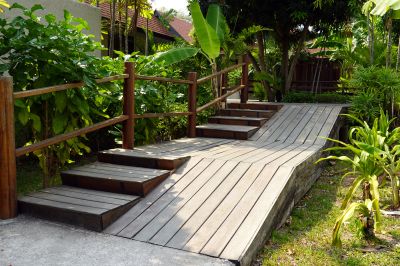
Small tweaks to make Vegetation Clearings safer and easier to use.
| Season | Ideal Activities |
|---|---|
| Spring | Plant emergence removal, initial clearing |
| Early Summer | Control of fast-growing species |
| Late Summer | Dry weather clearing |
| Early Fall | Preparation for dormant season |
| Late Fall | Final clean-up before winter |
Effective vegetation clearing requires understanding plant cycles and seasonal weather patterns. Proper timing ensures minimal environmental disturbance, reduces regrowth, and enhances land usability. Regular monitoring and follow-up treatments are essential for maintaining cleared areas.
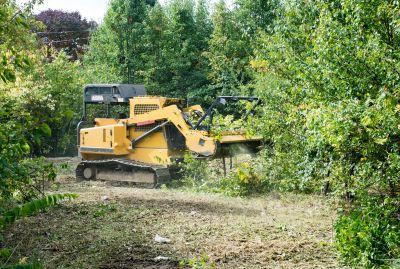
Tools and machinery are selected based on vegetation density and project scope.
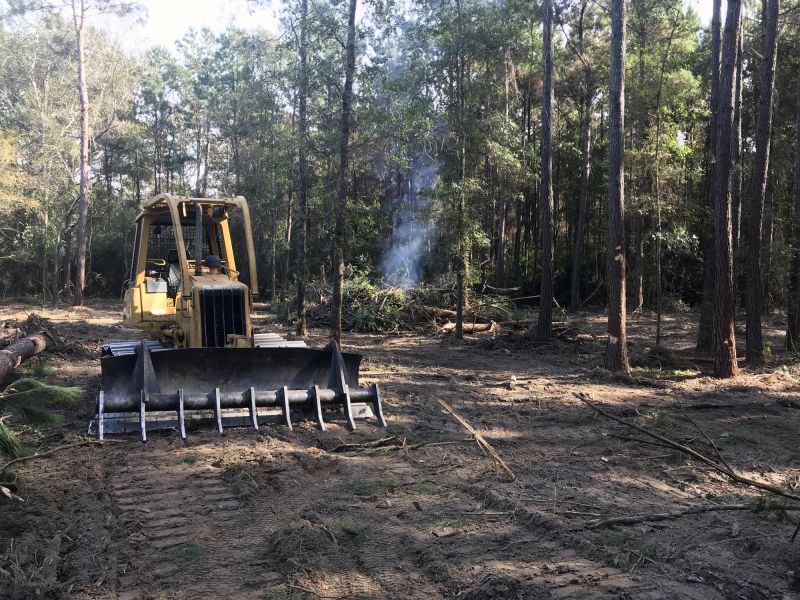
Dry weather allows for safer, more efficient clearing operations.
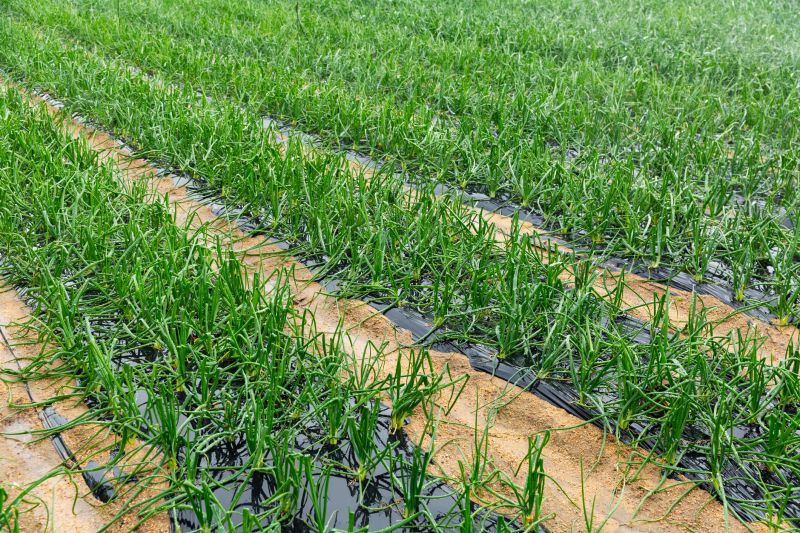
Assessing plant regrowth guides timing for future clearings.
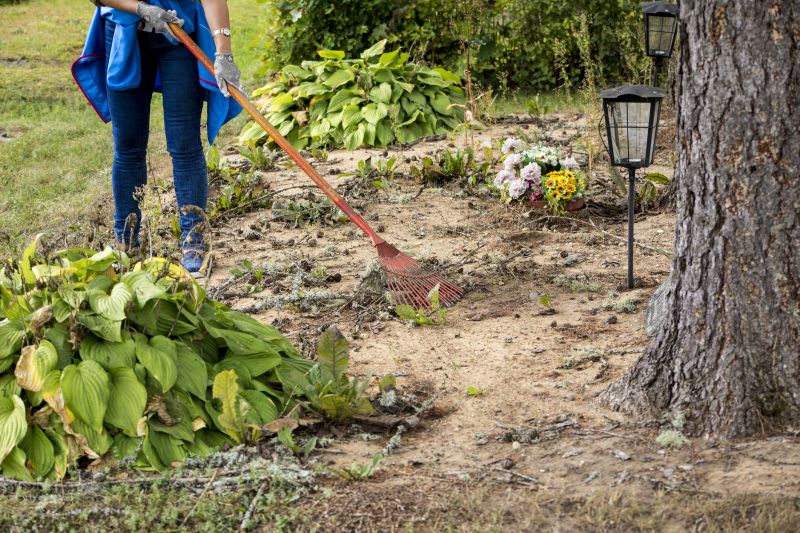
Proper timing leads to cleaner, more manageable land.
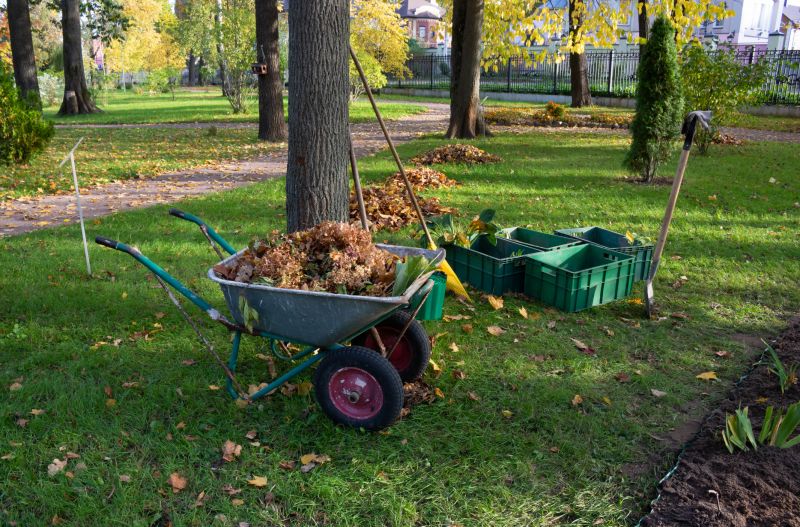
Lower-waste or water-saving choices for Vegetation Clearings.
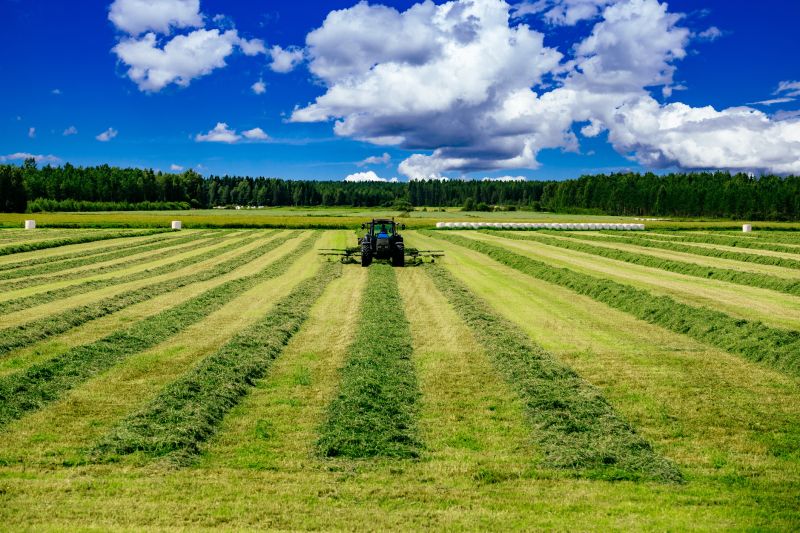
The short, realistic tool list for quality Vegetation Clearings.
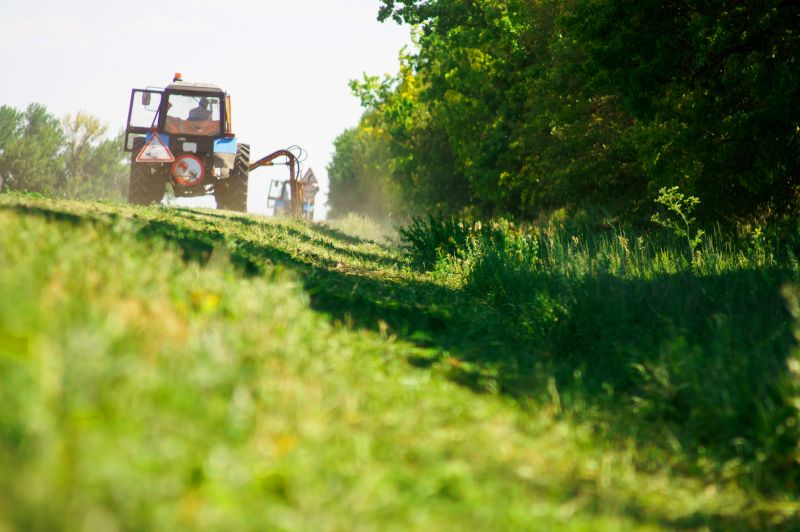
Rough timing from prep to clean-up for Vegetation Clearings.
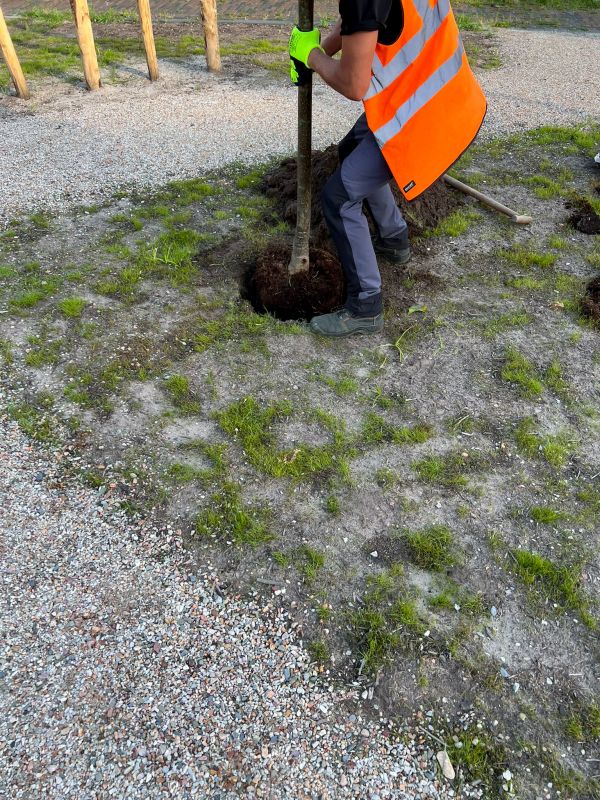
Quick checks and paperwork to keep after Vegetation Clearings.
Interested in scheduling vegetation clearings? Filling out the contact form provides further information about optimal timing and customized land management options.